
When the CEO is a Dictator
A story about over-control, micromanagement, and how fear-driven leadership kills innovation and trust.
Published on ·
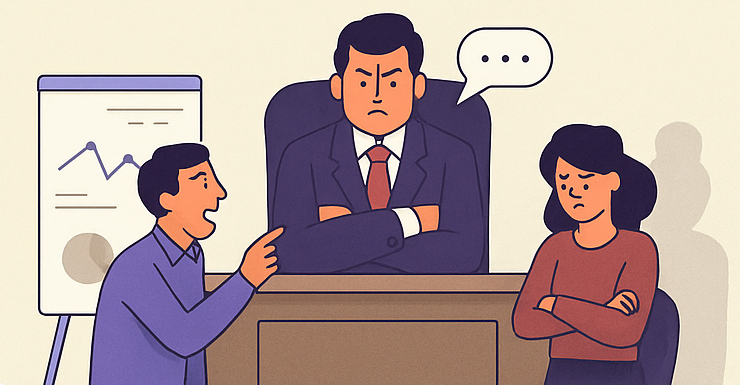
The Culture of Over-Control
In many startups, the CEO’s early energy fuels growth — but unchecked, that same control becomes a bottleneck. When every detail — from ad copy to deployment — needs personal approval, decision velocity collapses. Teams stop building; they start waiting.
The Hidden Cost of Micromanagement
When one person dictates every decision, progress turns into dependency. Engineers delay releases. Designers stop iterating. Marketers hesitate to experiment — because feedback is unpredictable and emotional, not data-driven.
“When people stop taking initiative, innovation doesn’t just slow down — it disappears.”
Metrics decline, but morale collapses faster. The organization shifts from ownership to obedience, and creative people disengage silently.
Symptoms of a Dictatorship Culture
- Every change, no matter how small, waits for top approval.
- No clear decision hierarchy or accountability system.
- High turnover among experienced specialists.
- Reactive, not strategic, product development.
- Meetings replace movement.
How Product Managers Can Rebuild Autonomy
The antidote isn’t confrontation — it’s structure. The PM’s job is to transform control into clarity. Micromanagement often stems from fear — fear of chaos or inconsistency — and that fear can be neutralized through process.
- Define decision tiers: Separate strategic, tactical, and operational choices — not everything needs executive review.
- Document reasoning: Use transparent briefs so intent and data are visible, not hidden in Slack threads.
- Set shared KPIs: When everyone agrees on success metrics, autonomy becomes measurable.
- Establish review rhythms: Replace ad-hoc interruptions with structured check-ins focused on progress, not perfection.
From Control to Confidence
Control isn’t leadership — it’s a reaction to fear. True leaders build systems that work without them. Empowered teams don’t just execute faster; they make better decisions because they feel trusted.
“Control limits scalability. Trust builds it.”
Lesson in one line: Great leaders replace micromanagement with mechanisms that make trust visible and repeatable.